

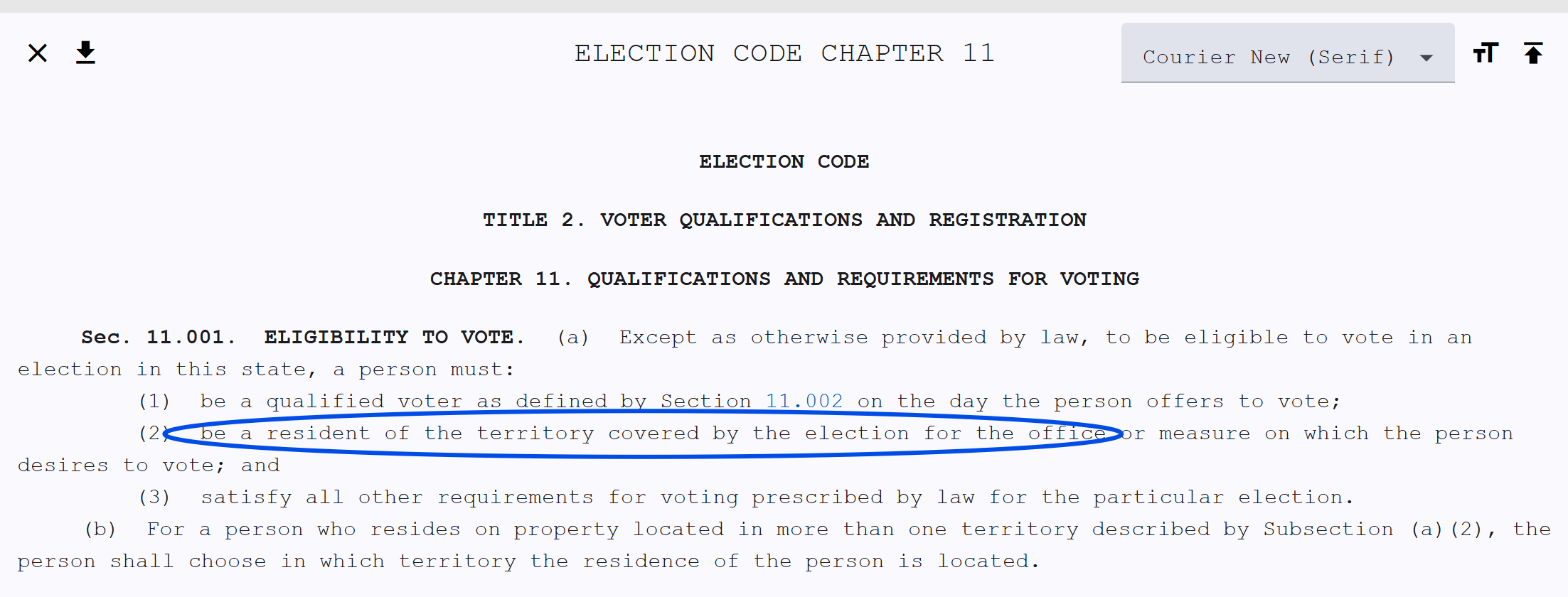
According to Texas Election Code §11.001, a voter needs to live in the district that he or she is voting in:
In the May 2 City Council District 3 municipal race, there was only 5 votes that separated the candidate who made the runoff, Kejal Patel, from the candidate who did not, Tammam Alwan.
As it turned out, there were 5 voters with questionable residency in District 3. They all voted on election day, according to the Election Day Roster from Dallas County Elections.
An election complaint with the Texas Secretary of State’s office has been filed.
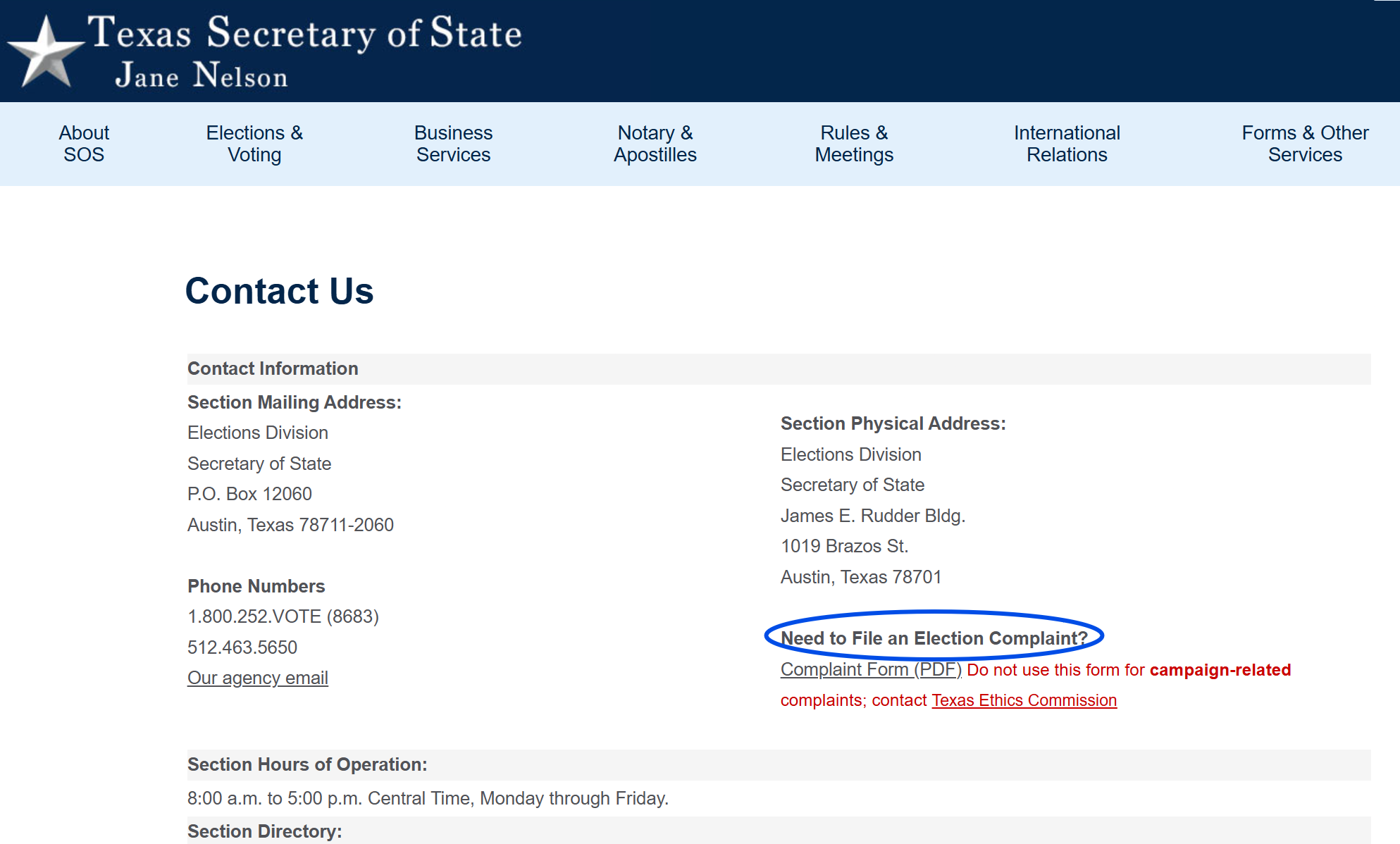
The purpose of filing an election complaint is not to change the outcome of an election. Rather, complaints bring things to the attention of the Secretary of State’s office, which reviews it and decides whether to refer it to the Texas Attorney General’s Election Integrity Unit or to the local DA.
To knowingly commit election fraud is serious. If you get caught, it can result in jail time. A former 2020 mayoral candidate in Carrollton was sentenced to 4 years in prison in 2024 for election fraud.

(While out on bond with his case being appealed, he ran for mayor of Carrollton again last month. Despite (hilariously) being endorsed by LoneStarLeft, he lost 93-6%.)
In Irving, five voters in the District 3 race appear to live outside the district:
Two of them — who share a surname with the candidate who made the runoff — were registered to vote at 4100 W John Carpenter Freeway: the OYO Hotel/Studio 6 near DFW airport.
The other three were registered to vote at 4601 N State Highway 161, the address for BAPS Hindu Temple. There are no known residences at the temple and it is zoned as a commercial property. One of them, the one named in the complaint, claims a homestead exemption for a home outside of Dallas County entirely, in Lewisville.
The Secretary of State’s office received the complaint, but cannot do anything to change the election results; it can only refer potential criminal violations to the AG or DA’s office.
Regarding any affect on the election itself, a remedy would involve bringing a case before the major trial court in the county — a Dallas County district court judge — within 45 days of the official results. The district judge would determine the facts and make a ruling; election contests are tried without a jury. A hearing could happen on the case pretty quickly, within weeks.
The problem is cost. It would cost $20,000 to $60,000 for lawyers to draft the petition, prepare the exhibits, take depositions, subpoena records, etc., in order to seriously contest the results.
Contact: TheIrvingHerald@gmail.com (corrections/comments/news tips welcome)
© 2026 Irving Herald LLC. All rights reserved.
I worked in Irving 16 years, we lived there 7 years. We wish you the best, good luck!
Take donations for lawsuit on corrupt Irving